
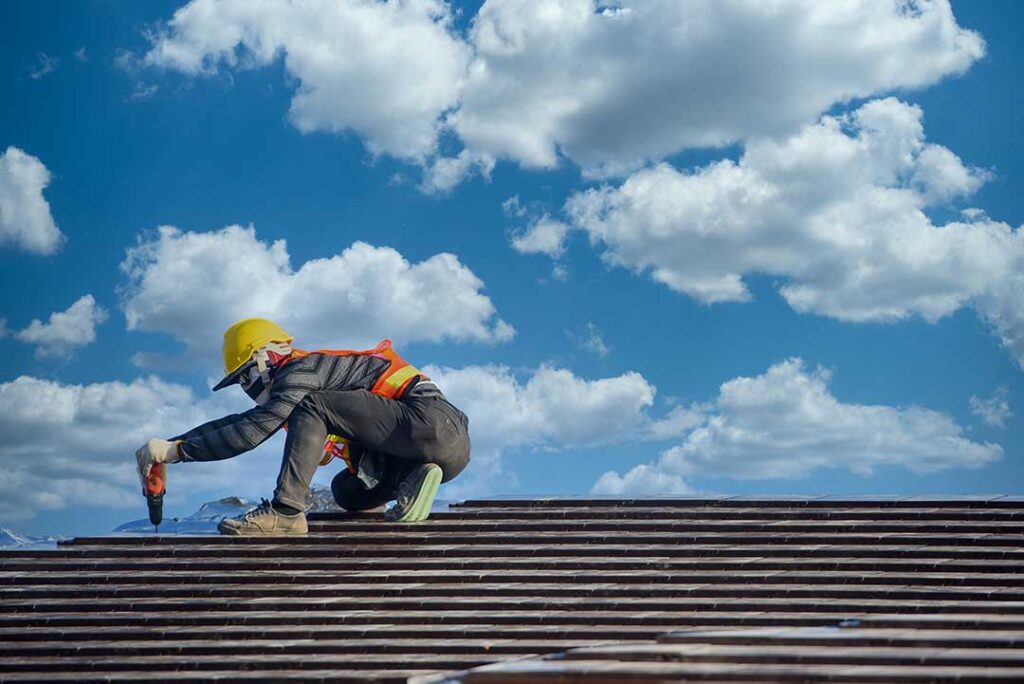
Why Are Roof Inspections Necessary in Newburgh, NY?
A roof inspection isn’t just for homeowners experiencing leaks or damage—regular checks are a key part of home maintenance. Inspections help catch issues early, which can prevent costly repairs, especially in a climate with wet springs, snowy winters, and frequent freeze-thaw cycles like those in Newburgh, NY. The region’s older housing stock and tree-lined neighborhoods also mean roofs often face unique wear and storm debris.
What Happens During a Roof Inspection?
A professional roof inspection typically involves a thorough assessment of both the exterior and, where accessible, the interior of the roof structure. Inspectors look for visible concerns on shingles, flashing, gutters, and structural supports.
You can expect the inspection to cover areas such as:
- Shingles or tiles—checking for cracks, curling, missing pieces, and surface granule loss
- Flashing—looking for damage or gaps around chimneys, vents, skylights, or wall intersections
- Gutters and downspouts—ensuring they’re clear and draining properly to avoid water backup
- Soffits and fascia—scouting for water stains, rot, or animal intrusion
- Roof penetrations—spots where pipes, vents, or cables enter the roof
Indoors, the inspector may check the attic, looking for:
- Signs of water intrusion, such as stains, mold, or mildew
- Adequacy of insulation and ventilation, which are vital for reducing ice dams in winter and heat buildup in summer
- Structural concerns like sagging deck boards, truss movement, or light showing through
How Long Does the Process Take?
An average roof inspection in Newburgh usually lasts between 30 minutes and two hours, depending on the roof’s size, slope, and accessibility. Complex designs, multiple rooflines, or limited attic access can add time. Inspectors may use ladders, roof harnesses, or in some cases drones or cameras for hard-to-reach sections.
What Do Inspectors Look For Specific to the Local Area?
Homes in Newburgh often experience issues related to local weather, older building materials, and nearby trees. Inspectors are especially vigilant about:
- Ice dam formation along eaves after snowy winters—these can cause hidden leaks
- Tree debris, moss, or lichen, which can quickly degrade roof surfaces and block gutters
- Signs of wind uplift or shingle displacement, common in seasonal storms
- Damage from accumulated snow loads on flat or low-slope roofs found in some historic homes
Will the Inspector Go on the Roof?
Most inspectors will physically walk the roof if weather and structure allow. In cases of steep pitches, fragile surfaces, or slippery conditions (common after rain or snow in this region), visual inspections from ladders or with binoculars may be used to ensure safety. Drones are sometimes used for capturing images of unsafe or inaccessible sections, especially on multi-story homes.
What Should a Homeowner Do to Prepare?
Preparation is usually simple:
- Ensure that gates or fences are unlocked for outdoor access
- Make sure pets are secured so the inspector can move freely
- If attic access is needed, clear belongings from around the attic hatch
- Inform the inspector of any known roof problems or previous repairs
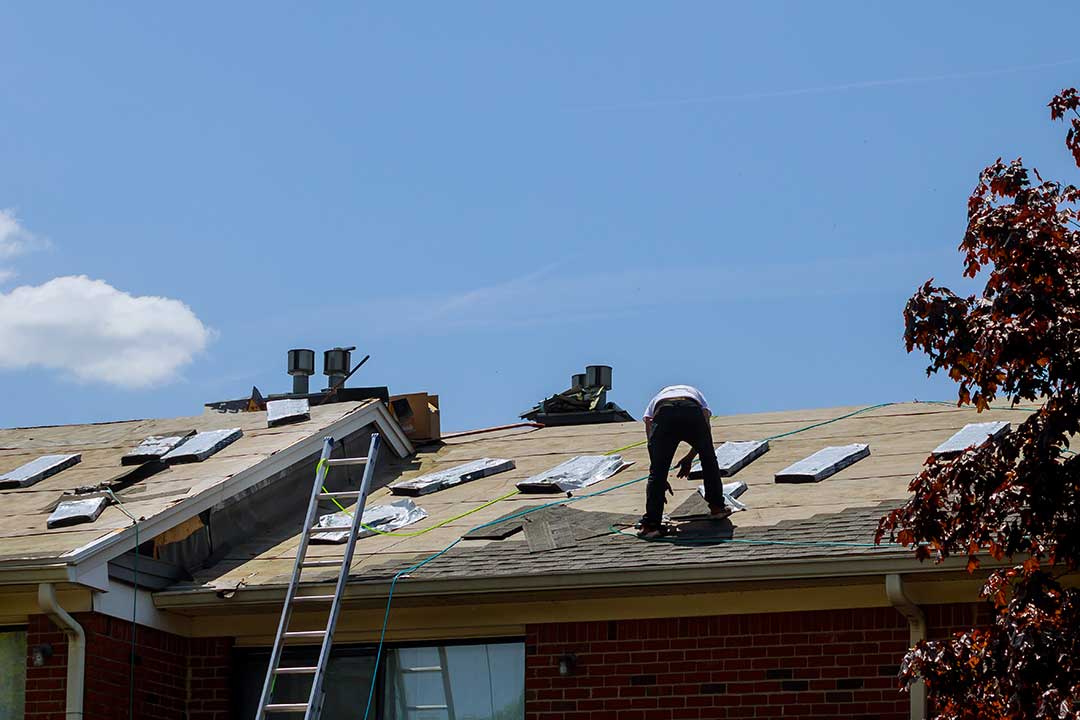
There’s no need to clean the roof ahead of time, but removing heavy debris from gutters or roof surfaces can help the inspector see potential trouble spots more clearly.
What Sort of Report Should Be Expected?
After the inspection, the resident receives a detailed report documenting findings. This may include:
- Photos of problem areas or potential trouble spots
- Notes on current roof condition, estimated lifespan, and needed maintenance or repairs
- Observations about gutter performance, attic ventilation, and insulation as they impact roof health
A good report will be clear and actionable, describing issues in straightforward terms for easy understanding.
Common Misconceptions About Roof Inspections
Many believe inspections are only needed after major storms or leaks. In reality, identifying minor issues (like early shingle wear or blocked gutters) prevents bigger repairs down the line. Another common myth is that a roof "looks fine from the ground," but issues like flashing damage, worn caulking, or aging underlayment often go unseen without a close look.
In Newburgh, residents sometimes worry about the cost or time involved, but periodic inspections are typically affordable and quick—far less disruptive than replacing large sections of roof due to undetected water damage or mold.
When Is It Necessary to Use a Professional?
While basic roof checks (like spot-checking gutters or visible shingles) can be done by most homeowners, professional inspections are crucial for:
- Identifying subtle leaks or safety hazards
- Ensuring compliance with local building codes if selling, buying, or renovating a home
- Assessing storm or tree damage after significant weather events, which are common in the region
Attempting comprehensive roof inspections without proper training or equipment can be hazardous, especially on older, steep, or slippery roofs found in this area.
How Often Should Roofs Be Inspected Locally?
A good rule of thumb for homes in the community is to have a professional inspection once every one to two years, or after major weather events. Homes with large tree canopies, older roofs, or complex designs may benefit from annual checks. Regular inspections are especially helpful before and after winter, due to snow and ice-related risks.
