
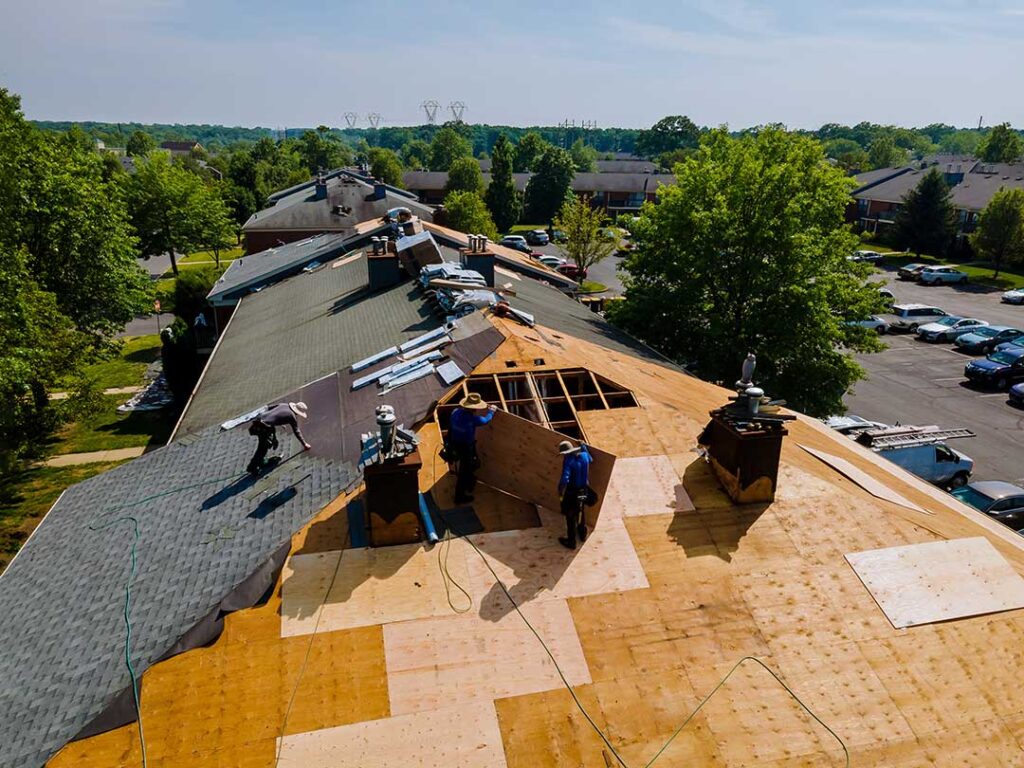
How Does a Roof Impact Energy Use in Homes Across Newburgh, NY?
A home's roof plays a direct and ongoing role in how much energy is needed for heating and cooling. Roof materials, color, shape, and condition all influence how much outside heat enters in summer, and how much indoor warmth escapes in winter. In Newburgh, seasonal weather makes this factor especially important for comfort and utility bills.
Local homes experience hot, humid summers and cold, sometimes snowy winters. This means roofs must serve both as a shield against strong summer sun and as insulation during frigid periods. The efficiency of your roof can determine how often the air conditioner runs in July or how hard the furnace works in January.
What Features Make a Roof More or Less Energy Efficient?
Roofs become energy efficient through materials that block or reflect heat, construction methods that seal gaps and leaks, and added insulation. Efficiency is reduced by dark, bare, or poorly maintained roofing that absorbs sun or allows drafts.
- Light-colored or reflective roofing: Lighter colors and special reflective shingles can keep attics cooler by bouncing sunlight away, reducing the need for air conditioning. This is especially practical for the sunny, humid months common in Newburgh.
- Proper roof ventilation: Small vents or ridge systems allow hot air to escape from attics. This prevents heat buildup and keeps indoor spaces more comfortable.
- Modern insulation beneath the roof: Attic insulation (like fiberglass batts or blown-in cellulose) helps keep warmth inside during winter and slows down heat gain in summer.
- Tight construction and maintenance: Well-installed flashing, sealing around chimneys, and intact shingles or roofing panels prevent drafts, water intrusion, and energy loss.
Misconceptions are common. For example, simply replacing shingles with a lighter color won’t solve all efficiency issues if the attic is under-insulated or the roof structure leaks air.
Why Do Newburgh Residents Notice Higher Bills After a Roof Deteriorates?
Roof leaks, missing shingles, and old or cracked materials create drafts and allow conditioned air to escape. Locally, older homes may have roofs built long before energy codes or insulation standards existed, leading to noticeable inefficiency.
As roofs break down or insulation compacts over time, attics lose their ability to act as a thermal barrier. In winter, heated air rises and escapes through gaps, making furnaces work harder. In summer, solar heat soaks through worn roofing, elevating indoor temperatures and cooling costs.
Ice dams—ridges of ice that form along roof edges—can also result from poor insulation or airflow in attics, common in the region’s snowy spells. These dams can back up water, causing leaks and further efficiency loss.
Which Roof Types Offer Better Efficiency for Newburgh’s Climate?
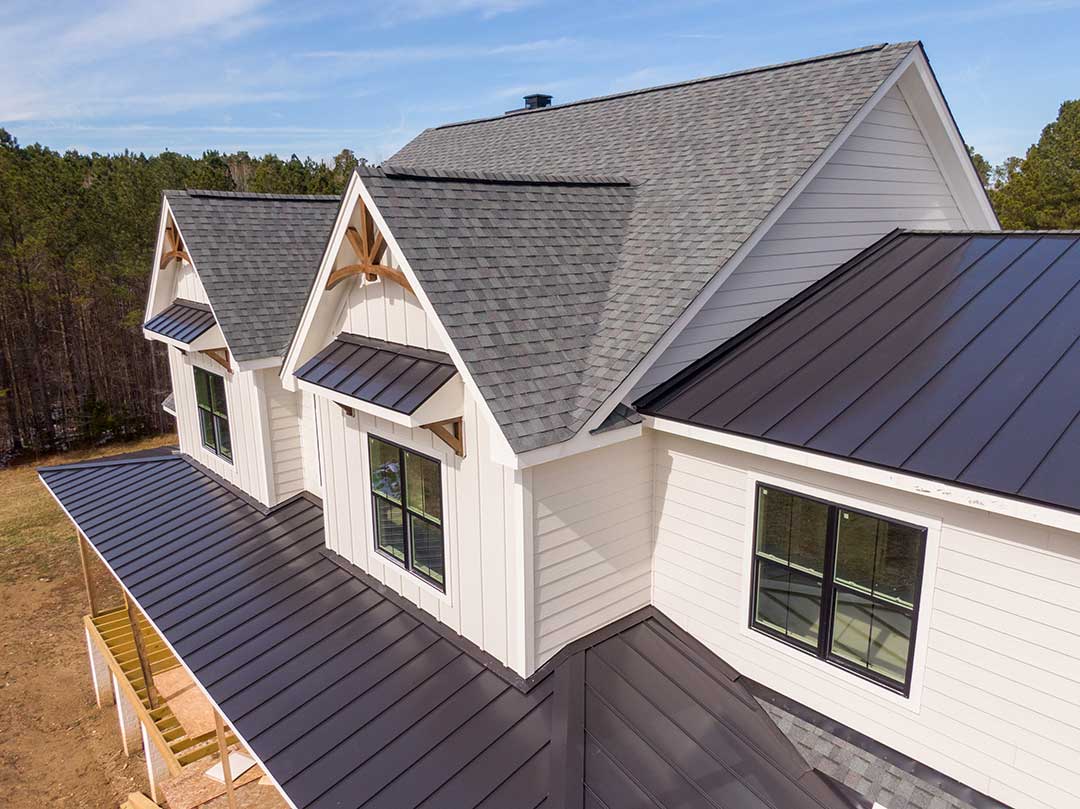
Several roofing materials and shapes have different impacts on energy use. In the city, the most common are asphalt shingles, metal roofs, and occasionally tile or slate.
- Asphalt shingles: Widely used, affordable, and easy to install. Light colors and algae-resistant blends can modestly improve sun reflectance in summer, but standard shingles are less efficient than modern materials.
- Metal roofing: Reflects more sunlight than asphalt, sometimes comes with coatings designed for thermal reflection. Works well in summer and sheds snow more easily in winter.
- Tile and slate: Less common due to weight and cost, but they offer good insulation and longevity. Their thermal mass helps stabilize attic temperatures, but installation should consider local snow load.
Roof slope also matters. A higher-pitched roof, typical in older Newburgh houses, helps shed snow but increases the attic volume, making ventilation and insulation even more critical.
What Are Practical Ways to Improve Existing Roof Efficiency?
You don’t always need to replace the whole roof to improve efficiency. There are steps local homeowners can take:
- Inspect and repair leaks or missing shingles: Prevents air and water infiltration, which can carry heat or cold inside.
- Upgrade attic insulation: Many area homes benefit from additional insulation, sealing air gaps, or laying fresh batt insulation above ceilings.
- Add or clear attic ventilation: Making sure soffit and ridge vents are open and unobstructed allows your attic to “breathe,” controlling both moisture and temperature extremes.
- Consider reflective roof coatings: Some products can be applied to existing shingles or metal to enhance solar reflectance, helping indoor spaces stay cooler in peak summer.
It’s best to avoid placing insulation directly against the roof decking if the attic functions as a ventilated space. Local building codes offer guidance on safe and effective insulation levels, especially for older homes being updated.
Are There Local Regulations or Rebates Related to Energy-Efficient Roofing?
Newburgh codes typically follow New York State standards for roof replacement and insulation upgrades. Recent building regulations set minimum requirements for energy performance, including “R-values” that quantify insulation effectiveness.
Periodically, utility companies or state programs offer rebates or incentives for insulation upgrades and roof improvements that increase energy efficiency. These programs encourage methods that reduce overall energy use, particularly for heating, which typically accounts for much of a local household’s utility bill.
Before undertaking major upgrades or changes to a roofing system, it’s helpful to review local codes and available public incentives to ensure compliance and improve affordability.
What Are Common Mistakes or Overlooked Factors?
Simply patching obvious leaks or buying the most affordable materials may seem easy, but often leaves efficiency improvements unrealized. Homeowners sometimes overlook:
- Unsealed attic access doors, which can be weak spots for heat loss
- Inadequate ventilation, leading to mold, higher attic temperatures, and ice dams
- Lack of attention to existing insulation’s condition, which may have settled or been moisture-damaged
- Not considering how roof color impacts summertime attic temperatures
Routine maintenance and periodic inspections help catch efficiency issues before they escalate into high bills or larger repair needs.
How Can Residents Gauge Whether Their Roof Is Energy Efficient?
Several straightforward checks give clues:
- Noticeably warm upstairs rooms in summer or cold drafts in winter point to poor insulation or leaks.
- Unusually high heating or cooling bills, compared to similar local homes, are a common sign.
- Inspecting the attic on a sunny day for visible light leaks or on a cold day for frosty roof nails can show where upgrades may help.
Regular observation, attention during extreme seasons, and basic attic and roof inspections go a long way toward improving comfort and lowering energy use for homes in Newburgh.
