
Which roof style is better for a home in Newburgh, NY?
Neither flat roofs nor sloped roofs is automatically right for every property. The better choice depends on the building’s design, drainage needs, usable roof space, maintenance expectations, budget, and how the roof will handle rain, snow, ice, wind, and temperature changes.
For many traditional homes, a sloped roof provides dependable water and snow shedding. Flat roofs can make sense for additions, garages, commercial-style buildings, and modern homes, but they rely more heavily on careful drainage, waterproofing, and regular inspection.
The most useful question is not which roof shape is universally superior. It is whether the roof’s design matches the structure beneath it and the conditions it will face.
How do flat and sloped roofs differ?
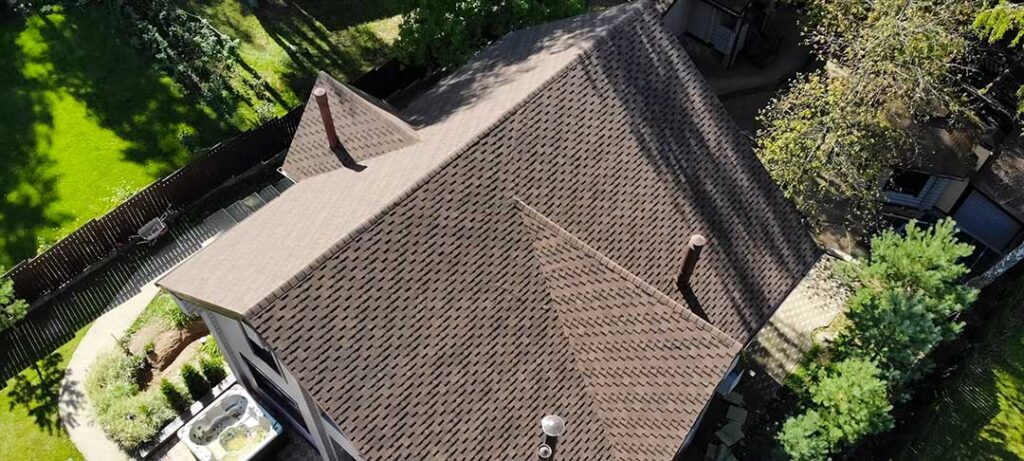
A sloped roof has a noticeable angle, known as its pitch. This allows water, melting snow, leaves, and small debris to move toward gutters or roof edges. Sloped roofs are commonly finished with materials such as asphalt shingles, metal panels, slate, or other systems designed for angled surfaces.
A flat roof is not perfectly level. It is usually built with a slight slope so water can drain toward interior drains, scuppers, or roof edges. Flat roofs commonly use continuous waterproofing membranes rather than overlapping shingles.
The difference affects nearly every part of roof performance:
- Drainage: Sloped roofs shed water by gravity, while flat roofs depend on designed drainage paths.
- Snow behavior: Snow may remain longer on a low-slope surface.
- Maintenance access: Flat roofs are generally easier to walk on, although access should still be safe and controlled.
- Appearance: Sloped roofs are often more visually prominent, while flat roofs can create a simpler or more contemporary profile.
- Repair approach: Flat roofs often require attention to seams, flashing, penetrations, and drainage details. Sloped roofs require careful inspection of shingles, valleys, flashing, and gutters.
Why are sloped roofs common on houses in the area?
Sloped roofs generally handle seasonal precipitation with fewer standing-water concerns. In a climate with cold winters, freeze-thaw cycles, occasional heavy snow, and summer thunderstorms, the ability to move water quickly away from the roof surface is a practical advantage.
A steeper roof can also reduce the time snow remains on the roof. That does not mean snow will never accumulate, and pitch alone does not eliminate the need for sound framing, proper ventilation, and safe snow management. However, gravity-assisted drainage is usually more forgiving than a roof that depends on drains remaining open.
Sloped roofs also fit many older residential designs and may provide attic space. That space can be useful for insulation, ventilation, wiring, or storage, although an attic should not be used for storage unless the structure, access, and ventilation are appropriate.
When can a flat roof be a sensible choice?
A flat roof can be practical when the building’s design already supports it. Common examples include single-story additions, porches, garages, multifamily structures, and modern-style homes.
Flat roofs may offer several functional advantages:
- A compact exterior profile can suit limited building sites or contemporary architecture.
- The surface may provide convenient access for maintenance of rooftop equipment.
- The roof can support a usable terrace or green-roof system if the structure, waterproofing, drainage, and local requirements are specifically designed for that purpose.
- Interior ceiling heights and room layouts may be easier to plan without a pitched attic.
The limitation is that a flat roof has less tolerance for poor workmanship or neglected maintenance. Small drainage problems can lead to ponding water, and repeated ponding may stress seams, flashing, insulation, and the roof deck.
A flat roof should never be treated as maintenance-free simply because it is easy to see. Leaves, branches, ice, and blocked drains can interfere with the system, especially after autumn weather or storms.
Which roof handles snow and ice better?
A properly designed sloped roof usually sheds snow and melting water more naturally. A flat roof may hold snow for longer periods, so its structural design and drainage system must account for that load.
Roof shape is only one factor. Snow performance also depends on:
- The building’s structural framing
- Snow depth and moisture content
- Roof pitch and surface texture
- Insulation and interior heat loss
- Ice formation near edges and drains
- Whether drifting occurs around taller roof sections or nearby structures
Ice dams can affect sloped roofs when warm areas of the attic cause snow to melt unevenly. The water may refreeze near colder roof edges, restricting drainage. Better attic insulation, air sealing, and ventilation can reduce the conditions that contribute to ice dams, but those measures must be designed as part of the entire roof assembly.
Flat roofs can also experience ice-related problems if drains or scuppers freeze. Water trapped behind ice can increase the risk of leaks and may add unwanted weight.
Is a flat roof cheaper than a sloped roof?
Not necessarily. A flat roof may use less exterior surface area, but total cost depends on structure, insulation, drainage, flashing, roof access, materials, and labor complexity.
A sloped roof may cost more to frame or finish, particularly when it includes multiple valleys, dormers, skylights, or complex transitions. A flat roof may cost more when it requires reinforced framing, tapered insulation, interior drains, parapet walls, rooftop equipment, or difficult membrane detailing.
Long-term cost also matters. A roof that is inexpensive to install but poorly suited to the building may require more frequent repairs. The practical comparison should include expected maintenance, drainage improvements, ventilation, insulation, and the consequences of water intrusion.
What maintenance does each roof require?
Both roof types benefit from routine observation, especially after major wind, rain, or snow events. The maintenance tasks differ.
For a sloped roof, useful inspection points include:
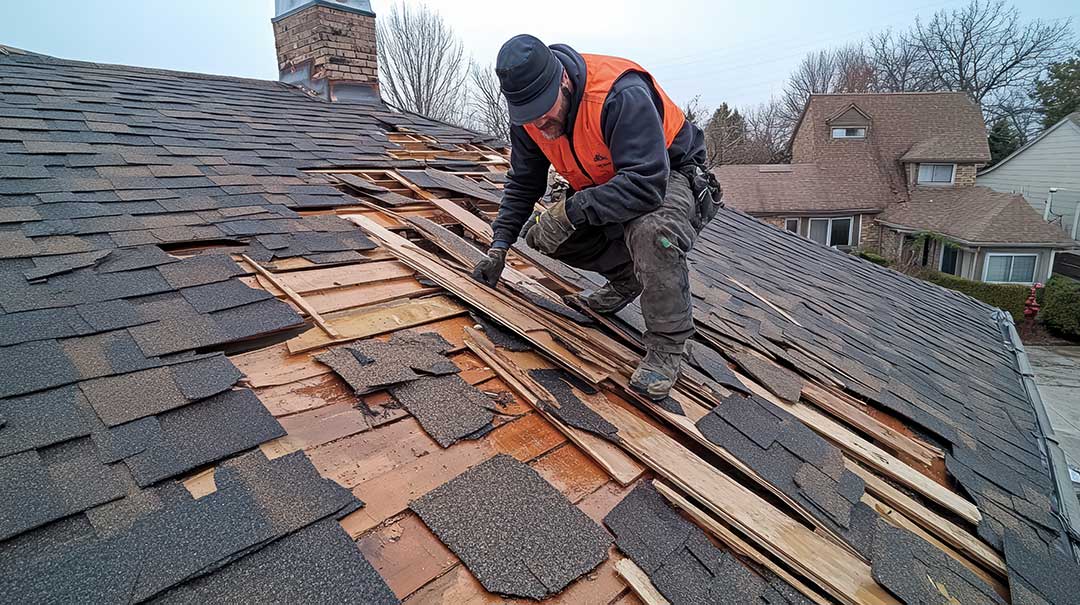
- Missing, cracked, curled, or displaced roof coverings
- Damaged flashing around chimneys, walls, vents, and skylights
- Granules collecting in gutters or downspout outlets
- Sagging roof lines
- Water stains in attic areas or upper ceilings
- Gutters that overflow or pull away from the fascia
For a flat roof, attention should focus on:
- Ponding water that remains after drainage should have occurred
- Open seams, blisters, punctures, or surface deterioration
- Clogged drains, scuppers, or gutters
- Damaged edge metal and parapet flashing
- Cracks around pipes, vents, curbs, and other penetrations
- Interior staining below the roof area
Walking on either roof can create hazards or cause damage. Flat roofs are easier to access physically, but that does not mean every surface is safe to walk on. Wet membranes, hidden weak spots, ice, and unprotected edges can be dangerous.
What should homeowners consider before changing roof shape?
Changing from a sloped roof to a flat roof, or the reverse, is not simply a roofing-material decision. It can affect structural loads, wall heights, attic ventilation, insulation, drainage, exterior appearance, and interior space.
Before making a major design change, property owners should consider:
- Whether the existing walls and foundation can support the new framing
- How rainwater and snow will be directed away from the building
- Whether roof height changes affect neighboring structures or property requirements
- How the design will connect to existing walls, chimneys, porches, and additions
- Whether attic or roof insulation will meet current energy requirements
- How workers will safely access and maintain the finished roof
Local permit and code requirements can apply to structural changes, additions, drainage alterations, and roof replacements. Those requirements may differ from ordinary maintenance, so checking the applicable rules before construction is prudent.
Which option is right for your property?
A sloped roof is often the simpler fit for a conventional house that needs reliable rain and snow drainage, attic space, and a familiar residential appearance. A flat roof may be appropriate for a building designed around low-slope construction, a carefully planned addition, or a structure where roof access and a compact profile are priorities.
The roof shape should match the building rather than be selected by appearance alone. In the local climate, drainage design, flashing quality, insulation, ventilation, structural capacity, and maintenance access usually matter more than whether the roof looks traditional or modern.
For an existing property, the condition of the roof deck and framing should be understood before choosing a replacement system. A new covering cannot correct widespread structural weakness, chronic drainage problems, or poor attic design by itself.
