
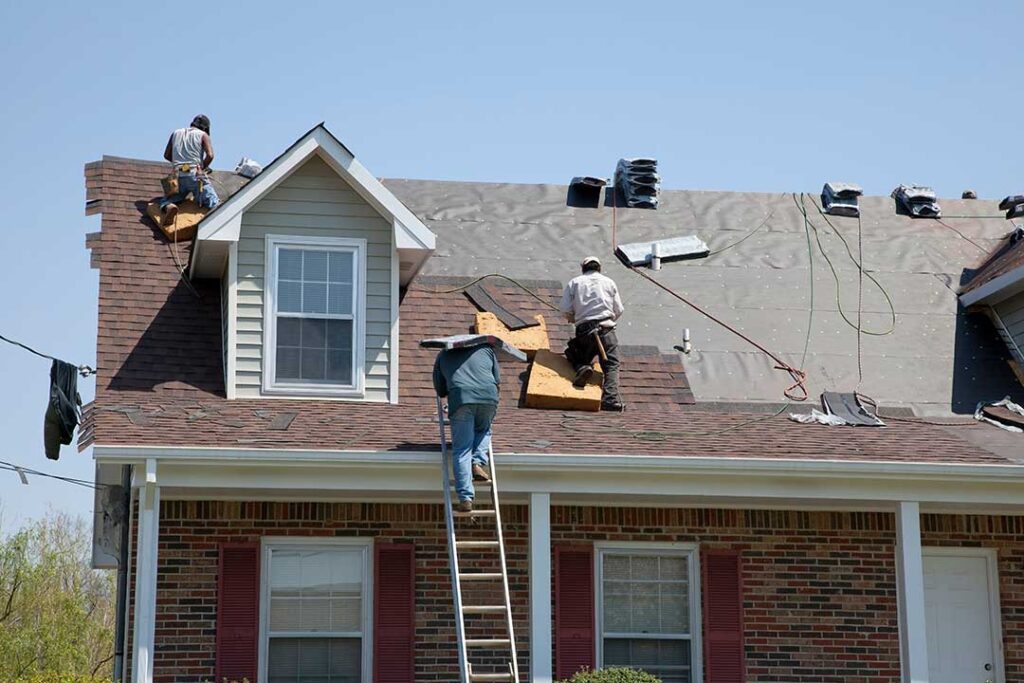
Shingles that curl, crack, or lose their flat shape are showing signs of weathering or installation-related stress. The condition may begin as a cosmetic issue, but damaged shingles can eventually allow water to reach the roof deck, insulation, attic, and interior ceilings.
In Newburgh, NY, roofs experience repeated cycles of snow, ice, rain, wind, humidity, and summer heat. Those seasonal changes can accelerate shingle aging, especially on older homes or roofs with limited ventilation.
What do curling and cracking shingles mean?
Curling occurs when the edges or corners of a shingle lift away from the roof surface. The edges may curl upward, downward, or in multiple directions. Cracking appears as splits in the shingle surface, often along the middle, near the edges, or in a pattern that resembles dry mud.
These conditions usually indicate that the shingle has lost flexibility or has not remained securely bonded. Common causes include:
- Normal aging and loss of asphalt oils
- Repeated expansion and contraction from temperature changes
- Long-term exposure to ultraviolet sunlight
- Poor attic ventilation that traps heat beneath the roof
- Improper installation or inadequate fastening
- Manufacturing defects
- Severe wind, hail, or falling branches
- Shingles installed over an uneven or damaged roof deck
Not every curled shingle means the entire roof has failed. However, widespread curling or cracking suggests that the roof system deserves a closer evaluation.
Why do shingles curl?
Shingles curl when the material shrinks, stiffens, or loses its bond to adjacent courses. Heat buildup beneath the roof can speed up this process. If attic air cannot escape properly, roof temperatures may become significantly higher than outdoor temperatures during sunny weather.
Curling can also develop when shingles were installed during unsuitable conditions or were not fastened according to the manufacturer’s specifications. Excessive or misplaced nails may weaken the shingle, while too few fasteners may allow wind to lift the edges.
On older properties, uneven roof decking can create stress beneath the shingles. A shingle may appear curled because it is following a raised or depressed area underneath rather than failing on its own.
What causes shingle cracking?
Cracking is often related to age, weather exposure, and the gradual loss of flexibility in asphalt-based materials. Cold weather makes shingles less flexible, while summer heat can dry and harden them over time. The repeated change between those conditions creates stress within the shingle mat.
Surface cracks may remain shallow for a period of time. Deeper cracks can expose the reinforcing material beneath the surface and create paths for water. Cracking around nail heads, valleys, roof edges, or flashing deserves particular attention because those areas already receive concentrated water flow or wind exposure.
A crack does not always produce an immediate ceiling stain. Water may travel along the roof deck or framing before appearing inside the building.
Can curled or cracked shingles be repaired?
A small number of damaged shingles can sometimes be replaced without disturbing the rest of the roof. This approach is more practical when the surrounding shingles are still flexible, well-bonded, and in generally good condition.
Spot repairs become less dependable when:
- Curling or cracking appears across several roof slopes
- Shingles break during handling
- Granules are missing over broad areas
- The roof has multiple layers of old shingles
- Water damage is present beneath the surface
- The replacement shingle does not match the existing material
- The roof is near or beyond its expected service life
A repaired shingle may stop one visible defect while other aged shingles continue to deteriorate. The condition of the surrounding field matters as much as the individual damaged piece.
How can residents inspect the roof safely?
A ground-level inspection can identify warning signs without requiring anyone to climb onto the roof. Look for uneven lines, lifted edges, missing patches, excessive granules in gutters, or dark areas that remain after the rest of the roof dries.
From an attic or upper-floor interior, check for:
- Damp roof decking
- Water stains around rafters or fasteners
- Soft or deteriorated wood
- Musty odors
- Daylight visible through the roof assembly
- Wet insulation after rain or snowmelt
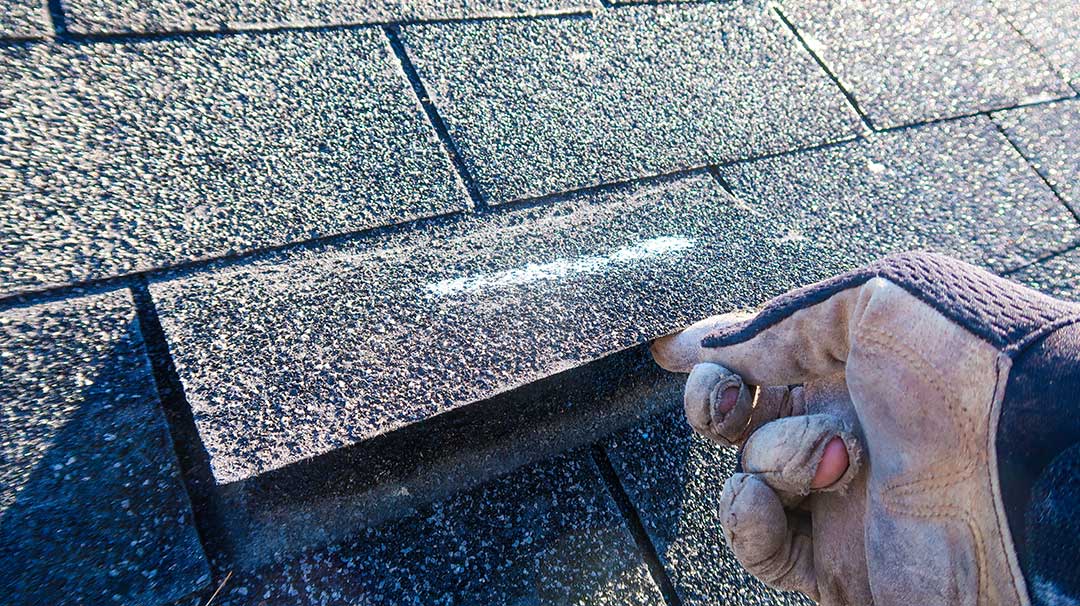
Roof surfaces become especially hazardous after rain, frost, snow, or algae growth. Walking on brittle shingles can cause additional cracking, and steep slopes or loose materials create fall risks. A roof inspection involving ladders, steep pitches, electrical hazards, or structural damage should be handled by someone properly equipped for that work.
What should be done after a storm?
After strong wind, heavy rain, hail, or falling branches, inspect the property from the ground when conditions are safe. Look for missing shingles, lifted tabs, exposed underlayment, damaged flashing, and pieces of roofing material in the yard or gutters.
Temporary protection may be appropriate when water is entering the building, but covering a roof with a tarp can be dangerous if the roof is steep, wet, unstable, or structurally damaged. Interior water should be collected in containers where possible, and wet materials should be moved away from electrical fixtures. Persistent leaks, sagging ceilings, or visibly damaged structural members require prompt attention because the problem may extend beyond the shingle surface.
Does attic ventilation prevent curling?
Proper ventilation can reduce heat and moisture buildup, but it cannot reverse shingles that have already curled or cracked. A balanced system generally includes intake ventilation near the lower roof edge and exhaust ventilation near the upper roof area. Blocking intake vents with insulation or relying only on a single exhaust opening can limit airflow.
Ventilation is only one part of roof performance. Insulation, air sealing, moisture control, roof color, roof orientation, and installation quality also affect temperatures beneath the shingles. Improving ventilation without identifying leaks or moisture sources may leave the underlying problem unresolved.
In a cold-weather climate, attic moisture can also contribute to condensation and damp insulation. That moisture may not look like a roof leak, particularly during winter, but it can still damage wood and shorten the life of roofing materials.
How long can a roof with curling shingles last?
There is no reliable timeline based only on appearance. A roof with a few isolated curled shingles may remain serviceable after targeted repairs, while a roof with widespread curling may have little dependable life remaining.
The more useful questions are:
- How many shingles are affected?
- Are the cracks shallow or through the full shingle?
- Is the roof deck dry and structurally sound?
- Are flashing and roof edges intact?
- Has the roof experienced repeated leaks?
- Are the shingles still flexible enough to repair without breaking?
Photographs taken from the same viewpoints each season can help track whether the damage is spreading. Interior attic checks after heavy rain can also reveal problems before they become visible in living areas.
What should be documented for insurance or warranty questions?
Keep dated photographs of damaged shingles, gutters, flashing, attic areas, and interior stains. Note the approximate date of any storm, the type of weather, and when the damage was first noticed. Avoid discarding damaged materials before documentation is complete if a warranty or insurance review may be involved.
Insurance coverage depends on the policy, the cause of damage, maintenance history, and whether the condition is considered sudden damage or gradual wear. Manufacturer warranties also vary and may address material defects differently from installation problems. Clear records are more useful than assumptions about what is covered.
A practical response to curling and cracking begins with identifying the extent and cause of the damage. Isolated defects may call for limited replacement, while widespread deterioration, ventilation problems, or moisture damage require a broader assessment of the complete roofing system.
