

Why Does Roof Ventilation Need Attention in Newburgh, NY Homes?
Proper roof ventilation is a key factor for maintaining a safe, comfortable, and efficient home in Newburgh, NY. Local residents often encounter high humidity during summer, cold and snowy winters, and fluctuating temperatures in the spring and fall. These changing conditions put unique stresses on both older and newer roofs. By allowing air to flow through the attic and roof space, ventilation helps manage temperature and moisture, which directly impacts home durability and energy use.
What Does Roof Ventilation Actually Do?
Roof ventilation regulates temperature and moisture by letting outside air enter through intake vents and exit through exhaust vents, usually at the roof's peak. This natural airflow system helps:
- Reduce heat buildup during summer
- Prevent condensation during colder months
- Improve overall comfort in living spaces
- Prolong the lifespan of roofing materials
In practice, proper ventilation creates a balanced environment under the roof, keeping both structure and insulation in better condition over the long term.
How Can Poor Ventilation Affect Newburgh Residents’ Homes?
Without good ventilation, homes in Newburgh are much more vulnerable to avoidable problems:
Moisture Damage:
Excess indoor moisture from activities like cooking, showering, or even drying clothes indoors can rise into the attic. If that moisture can’t escape, it collects and soaks into wood, insulation, and roofing materials. This often leads to rot, mold, mildew, and, sometimes, visible water stains or peeling paint on ceilings.
Ice Dams:
Winters in Newburgh often bring snow and freezing temperatures. When attics are warm due to poor ventilation, snow on the roof can melt, then refreeze at the edges, causing ice dams. Over time, ice dams can push water beneath shingles and cause stubborn leaks, which are often costly or disruptive to address.
Overheating and Higher Energy Bills:
Roofs exposed to direct sun can become very hot, especially during muggy Hudson Valley summers. If hot air isn’t allowed to escape, attic temperatures climb, making it harder and more expensive to cool the house. This strains air conditioning systems and can drive up utility bills, especially in older, less energy-efficient homes common in Newburgh.
What Signs Suggest Roof Ventilation Issues?
It’s common not to realize there’s a ventilation problem until damage has already occurred. Still, there are telltale signs homeowners can watch for, especially after seasonal shifts or storms:
- Musty or damp smells in the attic or upstairs rooms
- Frequent ice dams or unusual amounts of icicles along the eaves in winter
- Uneven or prematurely aging shingles
- Peeling paint or bubbling on ceilings and walls
- Noticeable temperature differences between floors or rooms
- Excessive heat in the attic during summer, making it uncomfortable to enter
Routine checks, especially after long periods of humidity in summer or heavy snowfall in winter, can catch potential problems before they worsen.
What Ventilation Methods Suit Homes in Newburgh?
Most houses in the area use some combination of ridge vents, soffit vents, gable vents, or attic fans. The right approach depends on roof style, attic layout, and how the home was originally constructed:
- Ridge Vents: Run along the peak of the roof and provide continuous exhaust for hot, moist air.
- Soffit Vents: Located under the eaves, these let outside air flow into the attic.
- Gable Vents: Installed on attic walls, usually at the roof ends, to enable cross ventilation.
- Attic Fans: Sometimes used for extra airflow, though their effectiveness depends on proper intake venting.
Older homes, especially those built before modern insulation and airflow standards, may need upgrades to address hidden airflow blockages or insufficient venting.
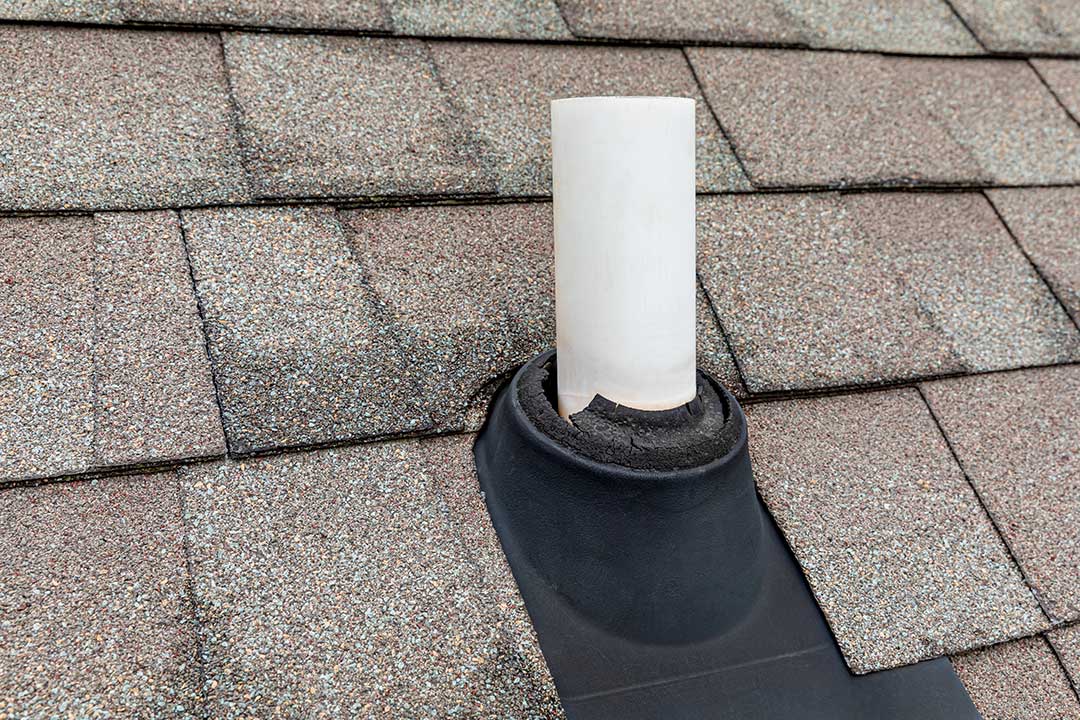
Do Climate and Housing Patterns in Newburgh Change What’s Needed?
Yes, the local climate and housing stock both influence roof ventilation needs. Newburgh’s mix of historic homes and more recently built neighborhoods means requirements might vary sharply from block to block.
- Homes with solid wood construction, common in historic districts, might have insulation that blocks airflow between rafters and eaves.
- Houses with finished attics or cathedral ceilings need special venting baffles to avoid trapping moisture and heat.
- Frequent storms and high humidity can cause debris or bird nests to clog intake vents, which is less common in drier climates.
Given seasonal swings between freezing winters and humid summers, roofs in the city frequently experience both ends of the temperature and moisture spectrum—sometimes within the same week.
Are There Myths or Misconceptions About Roof Ventilation?
Many residents believe ventilation is mostly about cooling in the summer, but moisture management is just as critical year-round. Another misconception is that “more vents” always solves the problem. In reality, balance and placement matter more than sheer quantity. Too many exhaust vents without enough intake vents, or vice versa, can create pressure imbalances or areas where air becomes trapped.
Sometimes, insulation upgrades are made without considering airflow. If insulation blocks attic vents, it can unintentionally worsen moisture and heat buildup. It’s worth double-checking that neither insulation nor stored items cover vent openings.
How Can Homeowners Maintain Good Roof Ventilation Without Major Repairs?
For many, ventilation fixes are simple and don’t require building work or hiring help, unless there are structural or safety risks. Regular, seasonal routines help:
- Look for visible vent obstructions (leaves, dirt, animal nests)
- Check attic spaces for mold, mildew, or wet insulation
- Make sure insulation around soffit vents isn’t packed tight or blocking airflow
- Inspect roofs after snowfall to see if snow melts unevenly—this often signals a ventilation or insulation issue
In older homes, small upgrades may be needed if past repairs inadvertently closed off critical airflow.
What’s the Relationship Between Roofing Lifespan and Ventilation in Newburgh?
Well-ventilated roofs last longer and experience far fewer costly issues. Shingles on roofs that “breathe” properly don’t warp, crack, or curl as quickly. Underlayment and wood decking—both prone to rot from trapped moisture—also retain strength much longer.
For homes in the area, especially those exposed to Newburgh’s freeze-thaw cycles or summer humidity, effective ventilation can easily extend roof life by several years. This helps local households avoid premature repair costs and maintain better indoor comfort throughout the year.
