
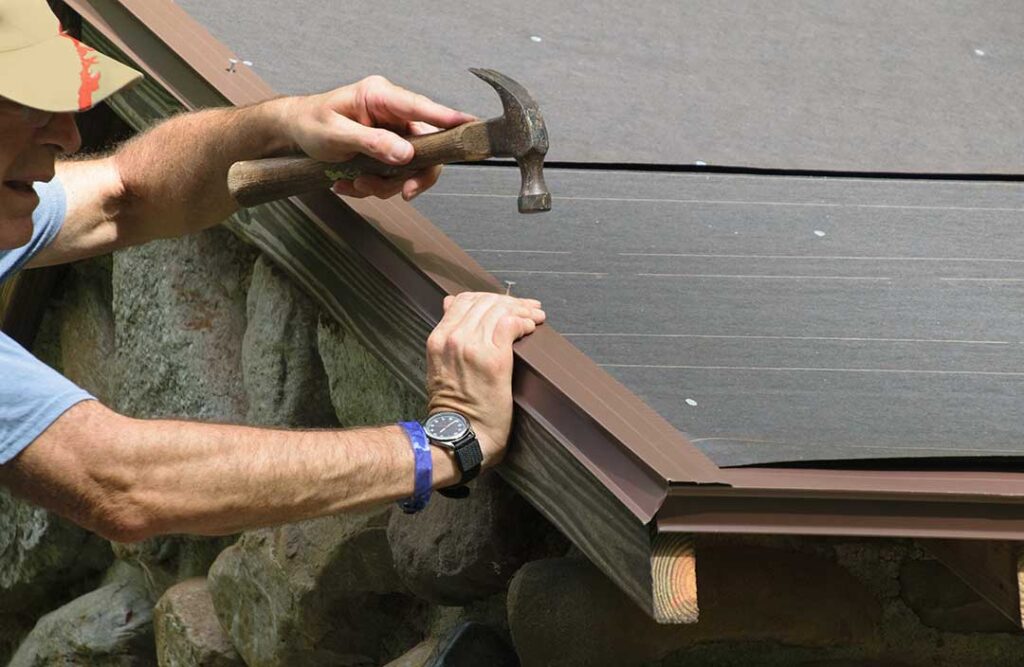
Why Is Preparing a Roof Before Hurricane Season Essential in Newburgh, NY?
Getting a roof ready for hurricane season is crucial because even moderate windstorms can cause major water damage or leave a home exposed to the elements. In Newburgh, NY, the mix of older homes, tree-lined streets, and close proximity to the Hudson River increases the risk of roof issues during severe weather. Roofs that are not maintained can be particularly vulnerable to leaks, shingle loss, or even partial collapse during a strong storm.
What Risks Do Hurricanes Pose to Residential Roofs in the Community?
Hurricanes and tropical storms can bring high winds, heavy rainfall, and flying debris, each threatening a roof in unique ways. In the city, tree branches can become projectiles, gutters may overflow, and older roofing materials are more likely to fail under pressure. Roofs that already have missing shingles, loose flashing, or clogged drainage systems are at especially high risk of leaks and long-term damage.
How Can Residents Check Their Roof for Potential Weaknesses?
Start with a visual inspection from the ground, looking for signs of missing shingles, sagging areas, or visible debris. Using a pair of binoculars can help spot:
- Curling, cracked, or absent shingles
- Rusted or detached flashing around chimneys and skylights
- Blocked or loose gutters
- Moss or lichen, which can indicate trapped moisture
Checking the attic or upper level for any signs of water stains, wet insulation, or daylight showing through boards can help spot potential leaks before a storm hits.
What Maintenance Tasks Help Protect a Roof from Storm Damage?
Regular upkeep is the most effective way to prevent hurricane-related roof damage. Before the season starts:
- Clear gutters and downspouts so water can drain away quickly.
- Trim tree branches hanging over or near the roof to minimize risk from falling limbs.
- Tighten or replace any loose shingles or flashing using appropriate roofing nails or adhesives.
- Remove leaves, pine needles, or other debris that can trap moisture.
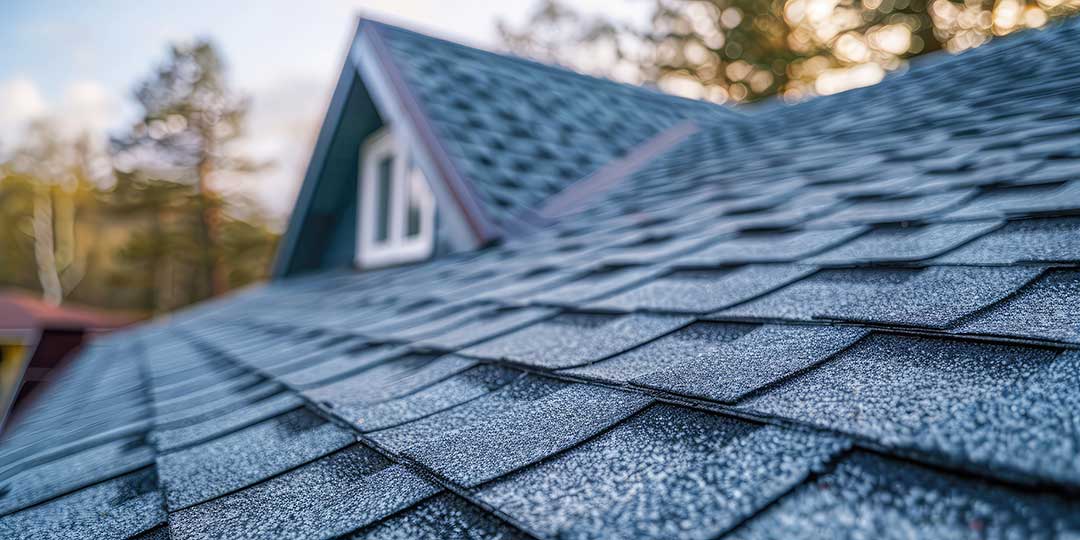
If a home has a flat roof—a common design in some local neighborhoods—ensuring that drainage points are not clogged is vital, as ponding water can quickly lead to leaks.
Are There Specific Materials or Fastening Methods That Make a Difference?
Homes in the region with asphalt shingles should use roofing nails rated for wind resistance. For added security, hurricane clips or straps may be installed by professionals where building codes permit, helping fasten the roof structure more securely to the house framing. Shingles or tiles with wind warranty ratings can provide extra peace of mind, especially in areas that have previously experienced storm damage.
What Should Residents Do About Older Roofs or Past Repairs?
A roof nearing the end of its expected lifespan, or one with a history of patches, is more likely to fail in a storm. If recent repairs have been DIY or not performed to code, those areas may not withstand high winds. In such cases, focus should be on checking every older repair and making sure sealants haven’t dried out or cracked.
Always document the roof’s current condition, especially before any storm season. Photos can help identify any new damage after a weather event and may be useful for discussions with an insurance provider.
How Important Is Attic Ventilation and Insulation for Storm Readiness?
Proper attic ventilation not only helps with energy efficiency but also plays a role in reducing moisture buildup during heavy rains. Inadequate ventilation can let humid air accumulate, leading to hidden mold growth and possible structural weakening over time. Check that attic vents are open and unobstructed, and that insulation is dry and not matted from past leaks.
What Should Residents Do After a Storm Passes?
As soon as it’s safe, another visual check of the roof is essential. Even if there’s no obvious water coming into the house, look for shifted shingles, displaced flashing, or new debris against the roofline. Indoors, pay attention to new stains or musty odors in upper floors or attic spaces. Document any changes with photographs and make temporary fixes if necessary to prevent additional water entry until further evaluation is possible.
Are There Common Misconceptions About Roof Preparation in the Area?
Many local homeowners believe that roofs are only at risk during direct, high-category hurricanes, but even the remnants of a tropical system or a strong nor'easter can cause damage. Another misconception is that newer roofs don't require checks; improper installation or undetected material flaws can still leave vulnerabilities exposed by severe weather. Residents should also avoid assuming that standard homeowners' insurance always covers roof leaks as a result of storms—coverage often depends on documented maintenance and the specific details of a policy.
