

What Should Residents in Newburgh, NY Look for After a Storm?
After a storm, it’s natural to worry about whether your roof has sustained damage. The city experiences a mix of strong wind, heavy snow, hail, and rain throughout the year, so local homes can be especially vulnerable. Common signs include missing shingles, visible water marks on ceilings, and debris buildup in gutters. Even small issues can become big problems if left unaddressed, so an attentive post-storm inspection is a good habit for area households.
How Can You Safely Inspect Your Roof from the Ground?
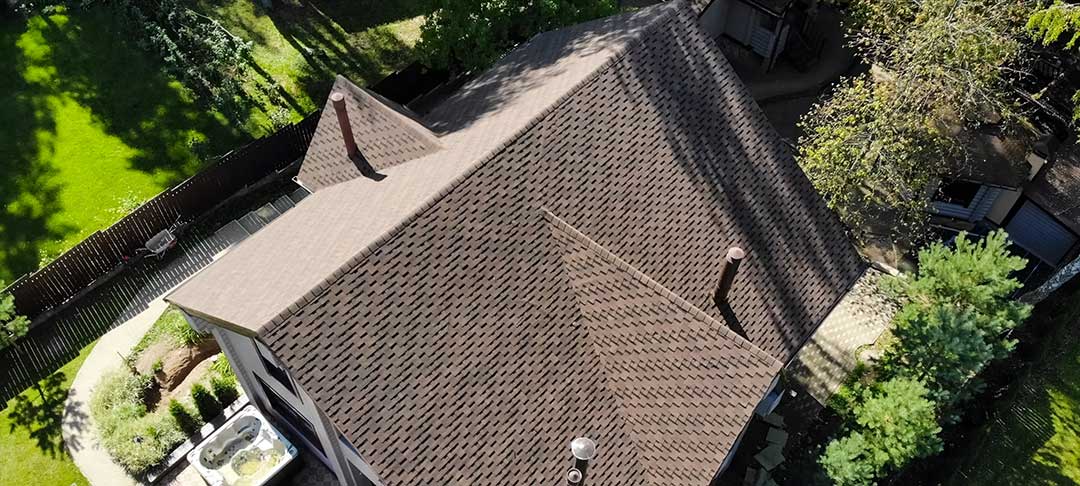
Start by surveying your roof from different angles around your property. Most damage is visible from the ground or through upstairs windows. Walking on the roof is not necessary and can be unsafe, particularly after rain or snow.
Look for:
- Shingles that are missing, cracked, curled, or appear out of place
- Flashing (the metal pieces at joints and around chimneys) that is bent or displaced
- Tree branches, heavy debris, or ice dams that have accumulated on the roof’s surface
- Sagging sections or areas where the roofline is uneven
Binoculars can help get a closer view of questionable areas. If unsure, take clear photos for reference when discussing findings with anyone else in your household.
What Signs of Water Damage Should You Check Inside Your Home?
After storms in the region, it’s common for leaks to appear in subtle forms. Start by inspecting the attic and top-floor rooms.
Key indicators include:
- Damp spots or discoloration on ceilings and walls
- Peeling paint or bubbling plaster
- Visible mold or mildew growth
- A musty, persistent odor in upper floors or attic spaces
Address these signs promptly, as even small leaks can compromise insulation, electrical systems, and the overall structure if moisture accumulates over time.
What are Common Misconceptions About Roof Damage?
A frequent misconception is that all roof damage will be dramatic or obvious—like missing shingles or major leaks. In reality, damage can be much more subtle, especially after high winds or hail. For example, small hail impacts can bruise shingles or loosen granules. This type of wear might not cause leaks right away but can reduce your roof’s lifespan.
Another overlooked issue is gutter or downspout blockage. Newburgh experiences periods of heavy leafy debris, and clogged drainage increases the risk of water backing up under roof edges and fascia boards.
How Does Local Weather Affect Post-Storm Roof Checks?
Regional weather patterns shape which problems are most common for local residents. Late winter and early spring bring rapid freeze-thaw cycles that can cause ice dams. These form when snow melts on the warmer upper roof, refreezes at colder eaves, and pushes water beneath shingles. Homeowners should pay attention to icicles, ice ridges, or water stains near the roof’s lower edges.
In late summer and fall, wind-driven rain can lift shingles, especially on older roofs. After these storms, check for shingle debris in the yard or pieces of flashing that have dislodged.
Should You Check Gutters and Downspouts Too?
Yes. While gutters and downspouts may seem secondary, they play a significant role in maintaining roof health. Debris such as twigs, leaves, or bits of roofing can indicate that the roof’s surface has taken a hit. Overflowing or sagging gutters usually mean water isn’t draining properly, which can accelerate roof and fascia damage over time.
If you can safely do so, remove obvious blockages. Use gloves and be cautious of sharp objects or potential pests. After clearing, observe during the next rainfall to confirm water is flowing freely away from the home.
When Do You Need Help from a Professional?
Most visual checks and light debris removal are safe for residents, but certain situations require extra caution. If you spot significant structural issues, such as large areas of sagging, major leaks, or electrical damage near the roof, stay clear of the affected area for safety.
In these circumstances—especially if roof sections are unstable or water is near wiring—contact municipal emergency services or code enforcement for guidance. For standard post-storm checks, however, informed homeowners can usually get a clear sense of their roof’s condition using the steps above.
