

How Does Sunlight Affect Roof Materials in Newburgh, NY?
Sun exposure is a year-round reality for roofs in Newburgh, NY. Direct sunlight gradually breaks down roofing materials, leading to aging, discoloration, and eventual failure. While roofs are built to endure outdoor elements, the cumulative impact of sunlight—especially the ultraviolet (UV) component—can be subtle but significant over the years.
UV radiation is the primary culprit behind the slow deterioration seen in asphalt shingles, wood shakes, rubber membranes, and other common roofing products. Heat from the sun also intensifies the breakdown process, especially during long summer days. This combination can cause roofing materials to dry out, become brittle, and lose their waterproofing properties.
What Specific Problems Does Sun Exposure Cause on Local Roofs?
Frequent and prolonged sun exposure in the Hudson Valley climate can trigger a range of roofing challenges:
- Shingle Curling and Cracking: Asphalt shingles often curl or crack as their protective oils evaporate under relentless sunlight. This is one of the most visible signs of sun damage on homes in the area.
- Granule Loss: The small granules on top of shingles start to loosen and wash away, exposing the delicate asphalt beneath. This exposes the roof to even more UV radiation.
- Fading and Discoloration: Sunlight can bleach dark roofing materials over time, creating a patchwork effect. This is mostly a cosmetic issue but can hint at deeper aging.
- Warped or Split Wood: Wood shakes and shingles may warp or split from alternating cycles of sun-driven drying and the area’s overnight humidity.
- Brittleness in Flat Roofs: Rubber and other flat roofing membranes can dry out, shrink, or crack after years of solar exposure.
- Sealant Breakdown: Sun can weaken the seals around vents, chimneys, and skylights, increasing the risk of leaks.
Does Sunlight Impact Roof Lifespan in Newburgh?
Constant exposure to the sun does shorten a roof’s serviceable life, especially if there is no significant shade from trees or neighboring buildings. Most roofing warranties factor in sun exposure as a normal wear mechanism, especially for south- and west-facing sections that absorb more sunlight each day.
In Newburgh, where summer sun can be intense and winters bring reflective snow, roofing materials endure a larger variation in UV and temperature than in milder, cloudier regions. As a result, local homeowners may see signs of aging on south-facing roofs a few years earlier than on shaded sections.
Why Are Temperature Swings from Sunlight a Problem?
Rapid heating and cooling of a roof—the so-called “thermal shock”—takes a toll over time. Solar exposure heats roof surfaces to much higher temperatures than the surrounding air during the day, then temperatures plummet at night, especially in early spring and late fall. This daily cycle results in the roof’s materials expanding and contracting, which can:
- Loosen fasteners
- Widen small cracks
- Cause sealants to separate from flashing
In older homes, this effect sometimes leads to minor leaks or subtle sags that may go unnoticed until water finds its way inside.
Are Some Roofing Materials More Resistant to Sun Damage?
Some roofing types handle sun exposure better than others, but no material is entirely immune. In the region, you’ll find:
- Asphalt shingles are affordable and common, but their granules wear away with sun, hastening aging.
- Metal roofs reflect much of the sun’s energy and generally resist UV breakdown, though paint or coatings may eventually fade.
- Clay or slate tiles are extremely durable, but the area’s freeze-thaw cycles combined with sun-driven expansion can sometimes cause tiles to crack.
- Rubber or membrane roofs benefit from UV-resistant top layers, but if coatings degrade, the underlying material may deteriorate.
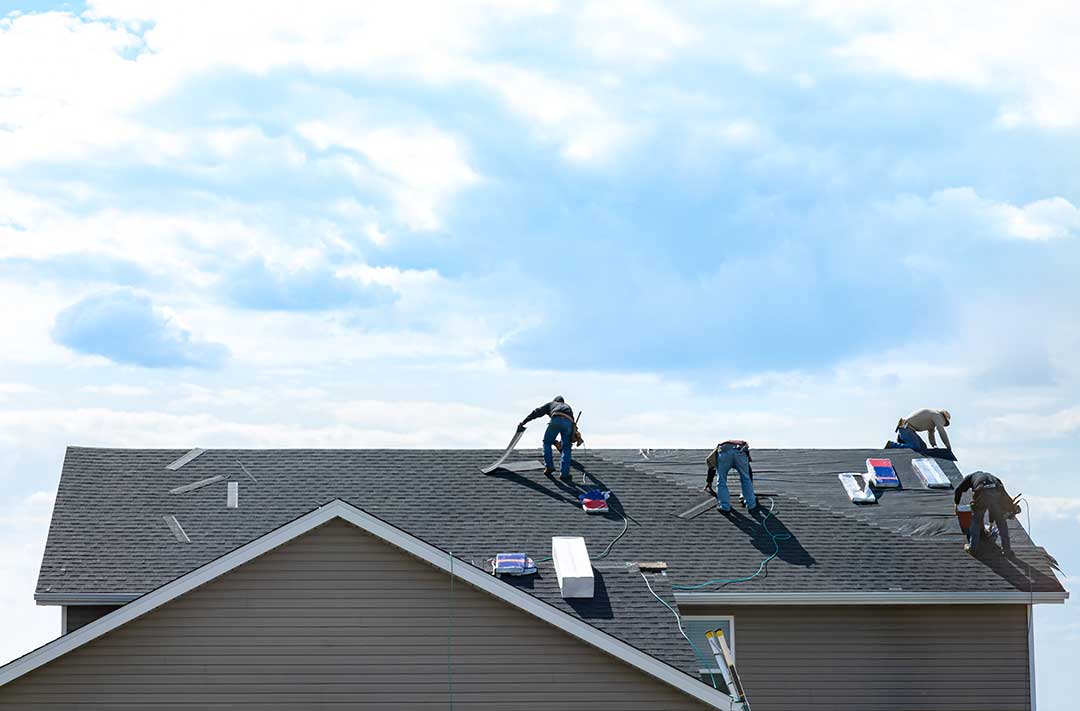
Choosing a roofing material or color that fits local sunlight and climate patterns can modestly slow the effects of sun, but all roofs benefit from consistent maintenance.
What Can Homeowners Do to Manage Sun-Related Roof Wear?
Few residents have practical options for blocking sunlight on pitched roofs, but periodic inspections are an effective way to catch issues early. Consider these steps:
- Inspect southern and western roof planes at least once a year for curling, fading, or granule loss.
- Check attic temperatures on hot, sunny days. Good ventilation can help prevent heat buildup under the roof deck, which reduces material stress.
- Clean gutters and remove debris that may allow rainwater to linger, as sunbaked damp spots can accelerate deterioration.
- Keep an eye on flashing and sealants, especially after a season of strong sunshine or rapid temperature changes.
- Trim back overhanging branches—not to block sunlight entirely, but to prevent rubbing and allow some shade for roof surfaces.
For flat roofs or those with specialized coatings, reapplication of reflective or UV-protective coatings may extend the roof’s life, but always use products rated for the region’s climate.
Common Misconceptions About Sun and Roofs
Homeowners sometimes believe only local winter weather threatens roofs, or that sun only causes color fading. In reality, UV rays chip away at waterproofing layers, adhesives, and structural integrity—long before visible problems appear. Another misconception involves the value of darker roofing colors: while they may blend with historic architecture in the community, these shades often absorb more solar heat, potentially increasing energy costs and accelerating wear.
Finally, some assume that building codes or warranties guarantee long roof lifespans regardless of sun exposure. Codes set minimum standards, but routine observation and timely repairs remain essential for maximizing a roof’s service life under Newburgh’s sunny and varied conditions.
